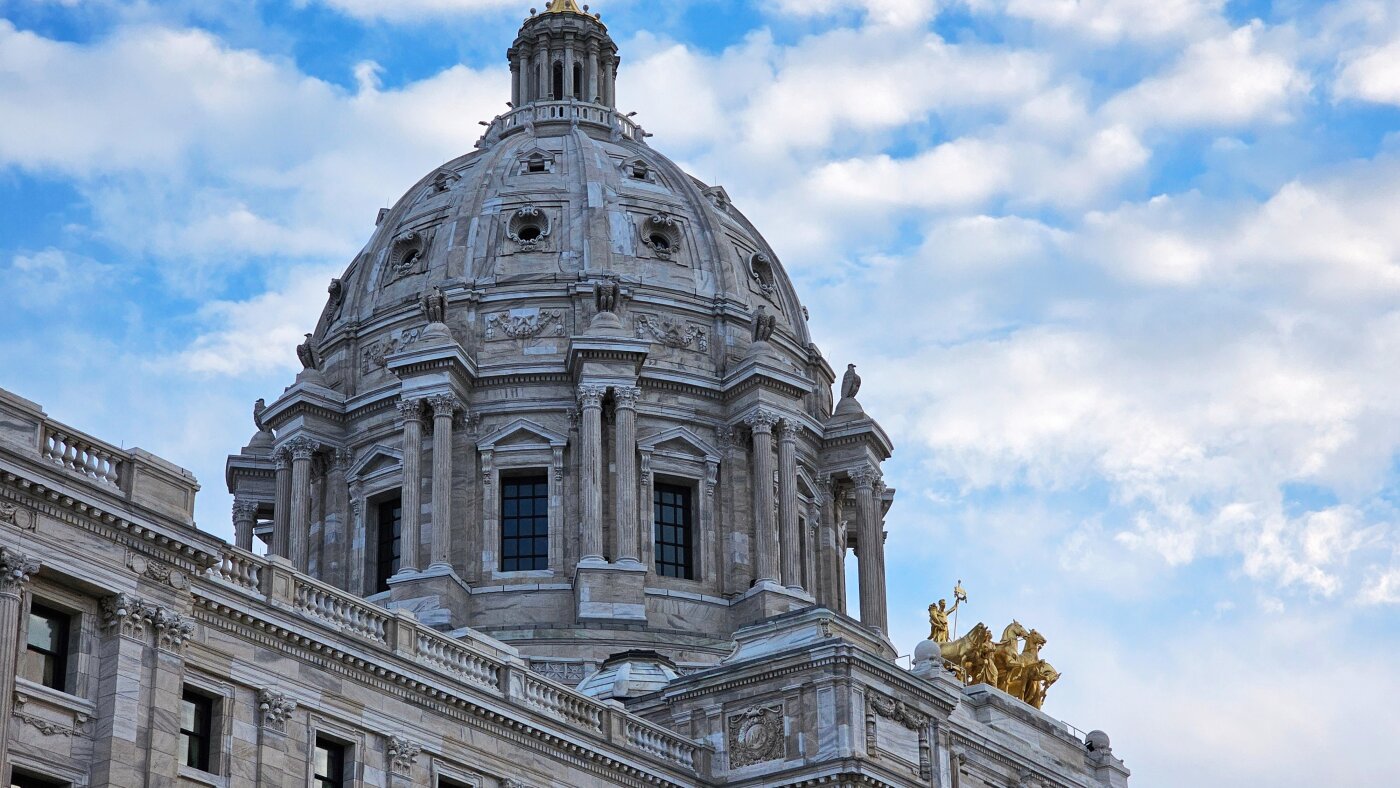
Precision entry and exit points delivered by our platform. Chart pattern recognition and price action analysis across multiple timeframes for every trading style. Technical analysis that fits your approach. Minnesota has enacted the nation's first state law making it a felony for prediction market platforms such as Kalshi and Polymarket to operate within its borders. The move escalates a broader legal push by dozens of states against the rapidly growing industry, which allows users to trade contracts on event outcomes. The new legislation signals a potentially tougher regulatory environment for these platforms at the state level.
Live News
Minnesota Becomes First State to Criminalize Prediction Markets as Regulatory Crackdown IntensifiesSome traders combine sentiment analysis from social media with traditional metrics. While unconventional, this approach can highlight emerging trends before they appear in official data. - First Felony Classification: Minnesota is the first state to make operating a prediction market a felony, marking a new frontier in state-level enforcement against the industry.
- Broader State Actions: Dozens of other states have taken legal steps—including cease-and-desist orders and lawsuits—but none had previously enacted criminal penalties.
- Industry Leaders Affected: The law directly impacts major platforms Kalshi and Polymarket, which allow trading on political and sports event outcomes.
- Possible Precedent: Other jurisdictions may follow Minnesota’s lead, potentially creating a patchwork of state laws that complicates compliance for prediction market operators.
- Federal Regulatory Context: The CFTC has separately pursued civil enforcement against unregistered event contracts, but state criminal laws add a new layer of risk for platforms and their executives.
Minnesota Becomes First State to Criminalize Prediction Markets as Regulatory Crackdown IntensifiesCombining global perspectives with local insights provides a more comprehensive understanding. Monitoring developments in multiple regions helps investors anticipate cross-market impacts and potential opportunities.Real-time monitoring of multiple asset classes allows for proactive adjustments. Experts track equities, bonds, commodities, and currencies in parallel, ensuring that portfolio exposure aligns with evolving market conditions.Minnesota Becomes First State to Criminalize Prediction Markets as Regulatory Crackdown IntensifiesReal-time data supports informed decision-making, but interpretation determines outcomes. Skilled investors apply judgment alongside numbers.
Key Highlights
Minnesota Becomes First State to Criminalize Prediction Markets as Regulatory Crackdown IntensifiesQuantitative models are powerful tools, yet human oversight remains essential. Algorithms can process vast datasets efficiently, but interpreting anomalies and adjusting for unforeseen events requires professional judgment. Combining automated analytics with expert evaluation ensures more reliable outcomes. Minnesota has become the first U.S. state to pass a law specifically classifying the operation of unlicensed prediction markets as a felony, according to a report from NPR. The law targets companies like Kalshi and Polymarket, which offer contracts on political elections, sports, and other events, and could carry criminal penalties for firms that do not comply.
While many states have previously taken legal action—such as cease-and-desist letters or civil suits—against prediction market operators, Minnesota’s statute represents a significant escalation by introducing felony-level charges. The legislation was passed as part of a broader regulatory push, though specific details on enforcement mechanisms or penalties were not immediately detailed in the source.
The prediction market industry has faced increasing scrutiny in the United States. The Commodity Futures Trading Commission (CFTC) has argued that some event contracts resemble gambling and has sought to block certain offerings, while state regulators have expressed concerns about consumer protection and the potential for market manipulation. Minnesota’s new law could provide a template for other states considering similar criminal measures.
Neither Kalshi nor Polymarket has publicly commented on the Minnesota law at the time of the report. The platforms generally operate by registering as designated contract markets with federal regulators, but state-level prohibitions may complicate their ability to serve customers nationwide.
Minnesota Becomes First State to Criminalize Prediction Markets as Regulatory Crackdown IntensifiesScenario modeling helps assess the impact of market shocks. Investors can plan strategies for both favorable and adverse conditions.Cross-asset analysis helps identify hidden opportunities. Traders can capitalize on relationships between commodities, equities, and currencies.Minnesota Becomes First State to Criminalize Prediction Markets as Regulatory Crackdown IntensifiesCross-asset analysis can guide hedging strategies. Understanding inter-market relationships mitigates risk exposure.
Expert Insights
Minnesota Becomes First State to Criminalize Prediction Markets as Regulatory Crackdown IntensifiesInvestors often rely on both quantitative and qualitative inputs. Combining data with news and sentiment provides a fuller picture. Legal and regulatory observers note that Minnesota’s felony statute could significantly alter the risk calculus for prediction market platforms. While the CFTC has historically been the primary federal regulator overseeing these markets, state criminal laws introduce the possibility of prosecution that federal civil actions might not carry. Industry analysts suggest that the law may lead some platforms to restrict access for Minnesota residents or to challenge the statute in court on constitutional grounds, such as preemption by federal commodities law.
The move also raises questions about the broader classification of prediction markets. Some experts argue that event contracts serve a legitimate financial purpose by aggregating information, while others contend they function as unlicensed gambling. The lack of a federal framework has left a regulatory vacuum that states are now filling in different ways. As other states watch Minnesota’s experiment, the industry may face a period of increased legal uncertainty.
From an investment perspective, companies operating in the prediction market space may need to reassess their legal risks and geographic availability. The potential for criminal liability could deter venture capital funding and push platforms toward jurisdictions with clearer or more favorable rules. However, the outcome of any legal challenges or federal regulatory clarity could shift the landscape quickly. Investors and market participants should monitor both state-level legislative trends and CFTC rulemaking for further developments.
Disclaimer: This analysis is for informational purposes only and does not constitute investment advice.
Minnesota Becomes First State to Criminalize Prediction Markets as Regulatory Crackdown IntensifiesMonitoring macroeconomic indicators alongside asset performance is essential. Interest rates, employment data, and GDP growth often influence investor sentiment and sector-specific trends.Global interconnections necessitate awareness of international events and policy shifts. Developments in one region can propagate through multiple asset classes globally. Recognizing these linkages allows for proactive adjustments and the identification of cross-market opportunities.Minnesota Becomes First State to Criminalize Prediction Markets as Regulatory Crackdown IntensifiesInvestors often evaluate data within the context of their own strategy. The same information may lead to different conclusions depending on individual goals.